A concrete patio is one of the most cost-effective ways to add usable outdoor space to an Austin property. The cost depends on size, site conditions, and what comes before the pour. In Central Texas, the subbase preparation requirements and drainage considerations add specificity to a question that generic national averages don’t capture well. Here’s what you’ll realistically pay in Austin and what drives the number.
Ace Construction Texas installs concrete patios throughout Austin and the surrounding metro. The subbase sequence we follow on every project is why our patios last in Central Texas’s clay soil.
Concrete Patio Costs in Austin — By Size
| Patio Size | Sq Ft | Typical Range | Notes |
| Small patio | 150–250 | $1,200–$3,000 | Entry-level scope, simple access, broom finish |
| Standard residential | 300–400 | $2,000–$4,800 | Most common Austin scope, single-access pour |
| Large patio / outdoor room | 450–600 | $3,500–$7,500 | Larger forming scope, possible drainage work |
| Extended/covered patio | 600–900 | $5,000–$11,000 | Complex site, access, and possible post pockets |
What Drives Patio Cost in Austin
Subbase Preparation
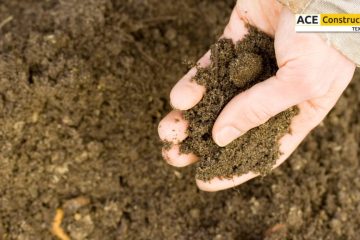
Austin’s clay soil requires a crushed-limestone base layer beneath every outdoor concrete surface. Patios poured directly on clay without adequate base preparation will move seasonally and crack. The subbase sequence incurs additional material and labor costs compared to markets with stable native soil. It’s not optional. Every Austin patio quote that doesn’t include subbase preparation is cutting a step that will produce cracking within a few years.
Removal of Existing Surfaces
If you’re replacing an existing patio, wood deck, or other surface, removal and haul-off add cost. Breaking out old concrete adds $2 to $4 per square foot. Demolition of a deck varies by size and construction. Removing pavers, gravel, or flagstone adds labor and haul-off. We include removal in our estimate when it’s within scope.
Drainage and Slope
Every patio needs to shed water away from the house. On properties where the grade already slopes away from the structure, establishing a drainage slope is straightforward. On flat lots or lots with negative grade, more base work is needed to establish a proper drainage slope before the pour. Some Austin patios adjacent to foundation walls also need to integrate with French drain or drainage service systems already on the property.
Access for Equipment
Backyard patios with limited side-yard access require more handwork because the concrete truck can’t get close enough to chute the pour directly. Hand-wheeling or pumping concrete to a backyard adds labor time and cost. We assess access during the site visit because it has a meaningful impact on the estimate.
Finish Options for Austin Concrete Patios
Broom finish is the right choice for most Austin patios. The texture provides traction on a wet surface, withstands UV exposure well, and is the most durable of the common finishes. Exposed aggregate is a good alternative for properties where appearance is a higher priority and where the budget supports the additional finishing labor.
We don’t recommend smooth finishes for outdoor patios in Austin. A smooth patio surface becomes slippery when wet and reveals every minor imperfection in the concrete as it ages. Austin’s summer UV exposure also ages smooth concrete surfaces faster than textured options.
HOA Requirements for Patio Projects
Many Austin HOA communities govern patio scope, materials, and dimensions. Impervious cover limits restrict how much hard surface a property can have. Setback requirements determine how close to property lines a patio can be placed. In communities like Sunfield in Buda, Star Ranch in Hutto, and Plum Creek in Kyle, patio additions require HOA approval before any work begins.
We review HOA requirements as part of every project estimate in a governed community. Skipping HOA review on a patio addition and installing without approval creates compliance issues that can require removing or modifying the completed work.
How Patio Prep Compares to Driveway Prep
The subbase sequence for a concrete driveway and a concrete patio is essentially the same: organic stripping, placement and compaction of a crushed-limestone base in lifts, drainage-slope verification, and contraction-joint layout before the pour. The concrete thickness may vary: driveways that see vehicle loads are typically 4 to 5 inches thick, while patios that see only foot traffic can be 3.5 to 4 inches thick. The base requirements are the same regardless of thickness.
For projects that include both a patio and other concrete work, such as concrete sidewalks or concrete slabs, combining scopes in a single mobilization typically reduces the per-square-foot cost because equipment and setup are shared.
Getting a Concrete Patio Estimate in Austin
Call 512-265-1198 or request an estimate to schedule a site visit. We assess existing conditions, drainage slope, access, and HOA requirements before providing a quote. We serve all of Central Texas, including Cedar Park, Kyle, and surrounding communities.