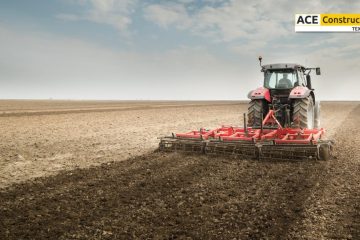
If you’re planning a concrete driveway, patio, or slab in Austin and have any flexibility in timing, the season you choose affects how the project goes and how the concrete performs over the long term. Austin’s climate varies significantly across the year, and those conditions affect everything from how we adjust the concrete mix to how long you wait before using the new surface. This guide covers the seasonal realities for concrete work in Central Texas.
Ace Construction Company Austin pours concrete driveways, concrete patios, and concrete slabs across the Austin metro year-round. Seasonal adjustments are part of our monthly process.
Season-by-Season Overview for Austin Concrete
| Season | Rating | Key Considerations |
| Spring (Feb–May) | Best | Moderate temps, good humidity for curing, ideal scheduling window |
| Summer (Jun–Aug) | Challenging | Early morning scheduling required, curing compound critical, avoid afternoon pours |
| Fall (Sep–Nov) | Best | Stable temps, lower humidity than spring, excellent curing conditions |
| Winter (Dec–Jan) | Caution | Freeze risk within 72 hours of pour is the primary concern. Schedule around forecasts. |
Spring: The Primary Concrete Window in Austin
Spring is the most favorable season for concrete work in Austin across almost every variable. Temperatures in the 60s and 70s give the concrete time to gain strength before surface temperatures rise. Austin’s spring humidity slows the evaporation of surface moisture, which is favorable for curing. And scheduling flexibility is easiest in spring because weather windows are more predictable than in summer.
The one spring complication is rain. Austin’s primary rainfall season runs from March through May, and significant rain events can delay scheduled pours. We monitor forecasts and schedule around predicted rainfall windows. A pour that needs to be delayed a day due to rain is much better than a pour that gets rained on before the initial set.
Summer Concrete in Austin: What We Do Differently
Summer concrete in Austin requires a different approach than spring or fall. Concrete temperatures above 90 degrees accelerate the hydration reaction and shorten the window between when concrete is workable and when it reaches initial set. In afternoon summer heat, that window can close faster than a crew can finish a large pour, leading to rushed finishing work and a compromised surface.
We schedule summer pours to start at or before 7 am. Finishing the pour, applying curing compound, and getting the surface protected before the afternoon heat arrives is the goal. We also use water-reducing admixtures that maintain workability without adding water to the mix. Adding water to concrete that’s stiffening in the heat is one of the most damaging field responses to hot weather, but it’s common on projects where the heat management plan isn’t worked out in advance.
Plastic shrinkage cracks are the primary failure mode for summer pours without adequate protection. These cracks form in the first few hours as the surface dries faster than the concrete gains strength. Once they form, they don’t close. Curing compound applied immediately after finishing is a reliable prevention.
Fall: The Second Ideal Window
September through November is the other strong concrete season in Austin. Cedar pollen season hasn’t started, temperatures have dropped from summer highs, and the weather is more stable than in spring. Fall pours benefit from lower humidity than spring in most years, which means the surface dries at a more controlled rate.
The fall window can be shortened in years where Austin’s secondary rainfall season brings significant storms in September and October. We plan around forecast windows. Projects cleared in early fall benefit from good concrete scheduling for the remainder of the season.
Winter Concrete in Austin
Austin’s winters are mild enough that concrete can be poured through most of December and January without problems. The exception is hard freeze events. Concrete that freezes within the first 72 hours after a pour, before reaching a strength threshold of approximately 500 psi, can be permanently damaged. The water in the concrete expands as it freezes, disrupting the internal structure before it has set.
We check 5-day forecasts before scheduling any winter pours. If temperatures below 28 degrees are predicted within 72 hours of the pour date, we either reschedule or plan to insulate the blanket with protection for the cured surface. Austin rarely has extended cold snaps, but the occasional hard freeze after an otherwise mild stretch catches projects that didn’t plan for it.
How Seasonal Timing Affects the Full Concrete Project
Seasonal timing affects more than just the pour day. Site preparation in Austin’s clay soil has its own seasonal considerations. Clay that’s saturated from recent rain can’t be properly compacted, which affects base quality before the pour. A project that prepares the site in wet conditions and pours on a dry day still has a subbase that wasn’t optimally compacted. We coordinate the full sequence, not just the pour date, around weather conditions.
For questions about scheduling a concrete project in Austin or to request an estimate, call 512-265-1198. We serve Round Rock, Pflugerville, and all of Central Texas year-round.